Pet First Aid Kit Essentials for Dogs and Cats
What should go in a pet first aid kit?
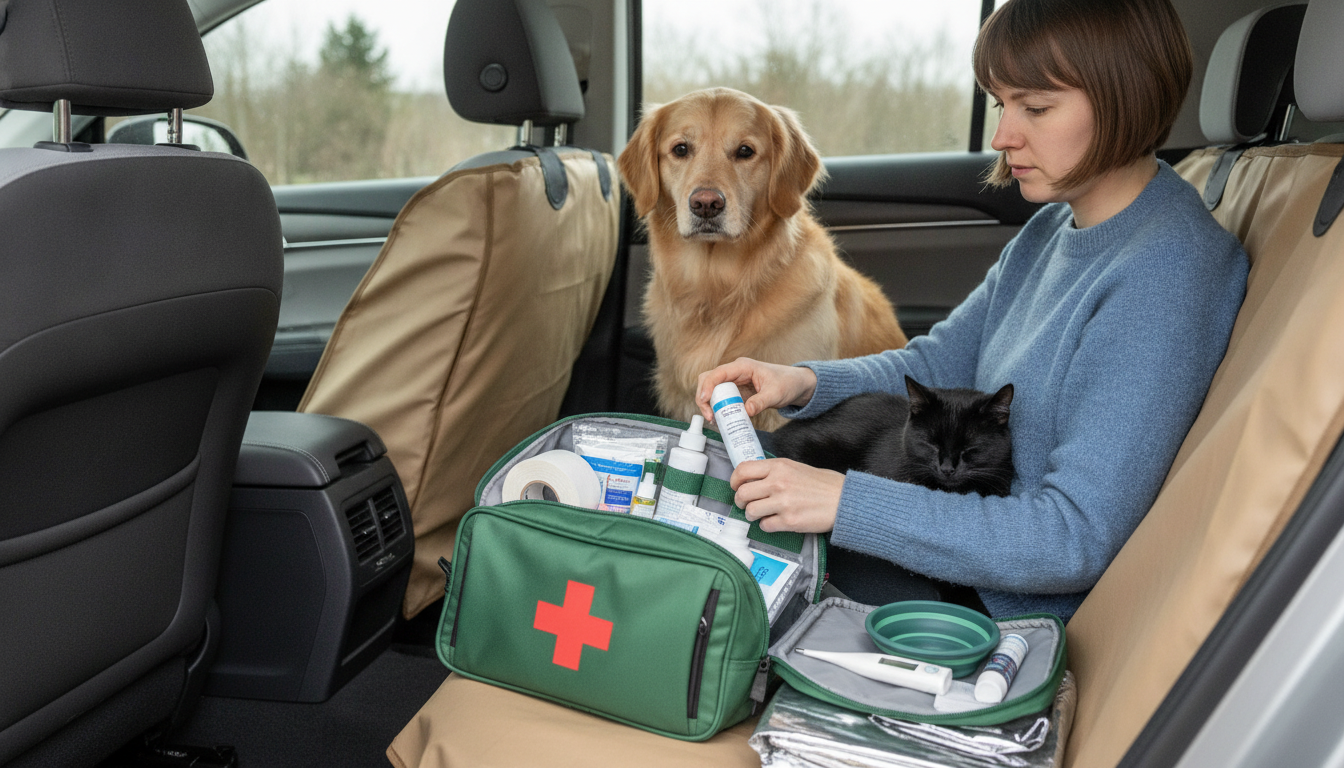
A solid pet first aid kit covers the most common emergencies: minor cuts, bleeding, sprains, allergic reactions, and getting safely to a vet. Aim for supplies that work for both dogs and cats, plus a few pet-specific items humans don’t usually keep on hand.
Wound care and bleeding control
Pack sterile gauze pads, non-stick wound dressings, medical tape, and self-adhering vet wrap to hold bandages in place. Add antiseptic wipes or a pet-safe wound cleanser (avoid hydrogen peroxide unless a veterinarian directs it), plus antibiotic ointment that’s safe for pets. Include styptic powder or a styptic pencil for torn nails, and several pairs of disposable gloves.
Tools that make treatment easier
Include blunt-tip scissors, tweezers (for splinters or ticks), and a tick remover tool. A digital thermometer with lubricant, a small flashlight, and a syringe or eyedropper for flushing debris are also practical. Keep a soft muzzle or a roll of gauze to improvise one (even gentle pets may bite when in pain).
Emergency comfort and transport
Bring an emergency blanket, a towel, and instant cold packs for swelling. A small leash, spare collar, and a collapsible water bowl help with safe handling and hydration. Add a copy of vaccination records, microchip number, and a current photo of your pet.
Medications and important notes
Store any vet-prescribed medications your pet may need (clearly labeled), plus saline rinse for eyes. Skip human pain relievers—many are toxic to pets. Write down your veterinarian’s number, the nearest 24/7 emergency clinic, and poison control contacts, and keep the kit where it’s easy to grab.
For a more detailed checklist and packing tips, visit What should go in a pet first aid kit?.
For Pet First Aid Kit Essentials for Dogs and Cats, the best answer depends on fit, material, care instructions, and how the product will be used day to day.
FAQ
How often should you replace items in a pet first aid kit?
Check it every 3–6 months and replace anything expired, opened, or damaged. Refresh used items immediately after any incident so the kit stays ready.











Leave a comment