Positive Parenting Skills for Toddlers: Simple Examples
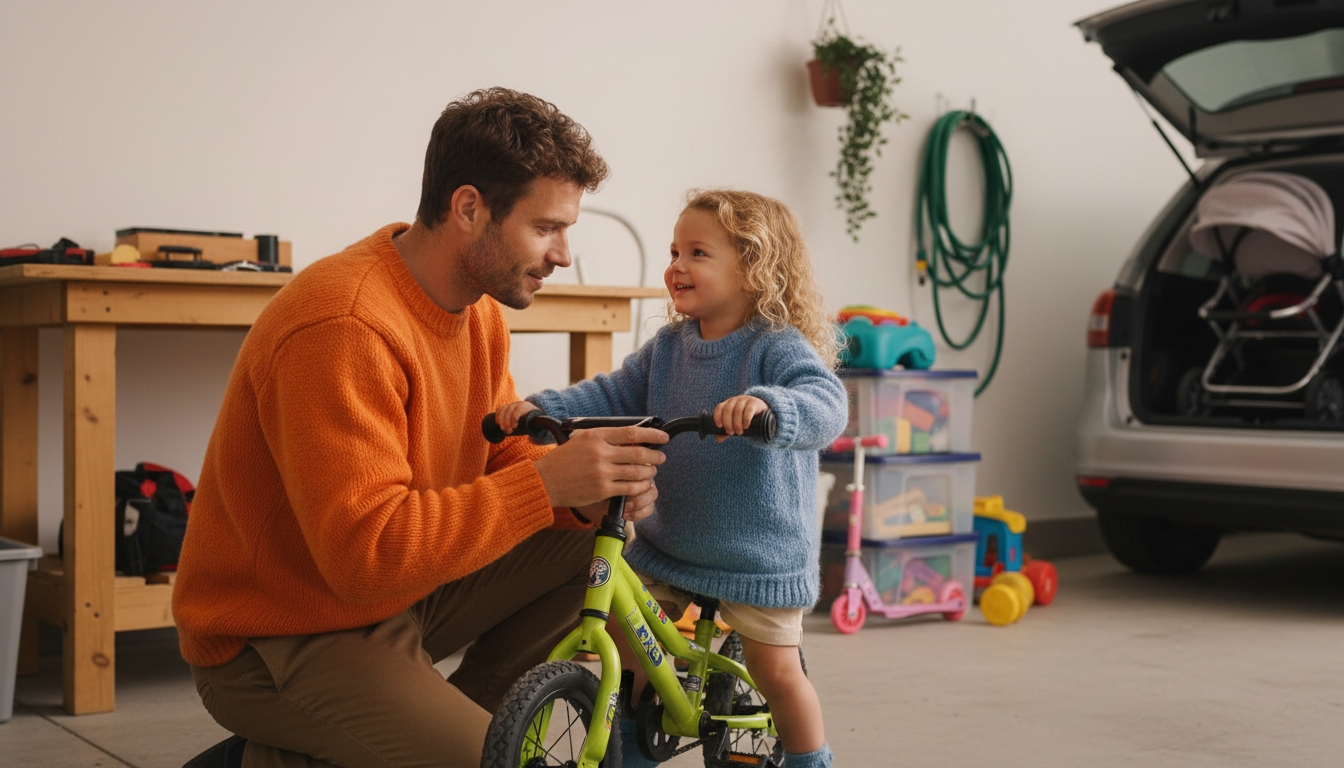
What are some examples of positive parenting skills you can use with toddlers?
Positive parenting with toddlers focuses on connection, clear boundaries, and coaching—without relying on fear or shame. Since toddlers are still learning impulse control and language, the most effective skills are simple, repeatable, and calm.
Notice and name the behavior you want
Catch small wins and describe them: “You put your cup on the table—thank you.” Specific praise teaches what to repeat and builds confidence without overhyping.
Set clear, simple limits (and follow through)
Use short sentences and an action: “Markers are for paper. If you draw on the wall, I’ll put them away.” Then follow through kindly and consistently. Predictable limits help toddlers feel secure.
Offer two acceptable choices
Choices reduce power struggles while keeping you in charge: “Red shirt or blue shirt?” “Walk to the car or hop?” The options should both be okay with you.
Validate feelings while holding the boundary
Feelings can be okay even when certain behaviors aren’t: “You’re mad we’re leaving the park. It’s hard to stop. We’re going now.” This teaches emotional vocabulary and self-regulation.
Use routines and preview transitions
Toddlers do better when they know what’s next. Give a quick heads-up: “Two more minutes, then bath.” Pair it with a consistent routine (dinner, bath, books, bed) to reduce meltdowns.
Coach the “replacement skill”
Instead of only saying “don’t,” show what to do: “Hands are not for hitting. Hands are for high-fives or gentle touches.” Practice when calm so it’s easier to remember when upset.
Use natural and logical consequences
Keep consequences related and immediate: if toys are thrown, the toys take a break; if water is dumped, towel time together. This teaches cause and effect without harshness.
For more detailed examples and age-appropriate scripts, visit the main guide: What are some examples of positive parenting skills you can use with toddlers?
FAQ
How do I stay calm during toddler tantrums?
Take a slow breath, lower your voice, and keep your words brief. Stay nearby for safety, name the feeling, and repeat the limit without negotiating until your child is calmer.












Leave a comment